





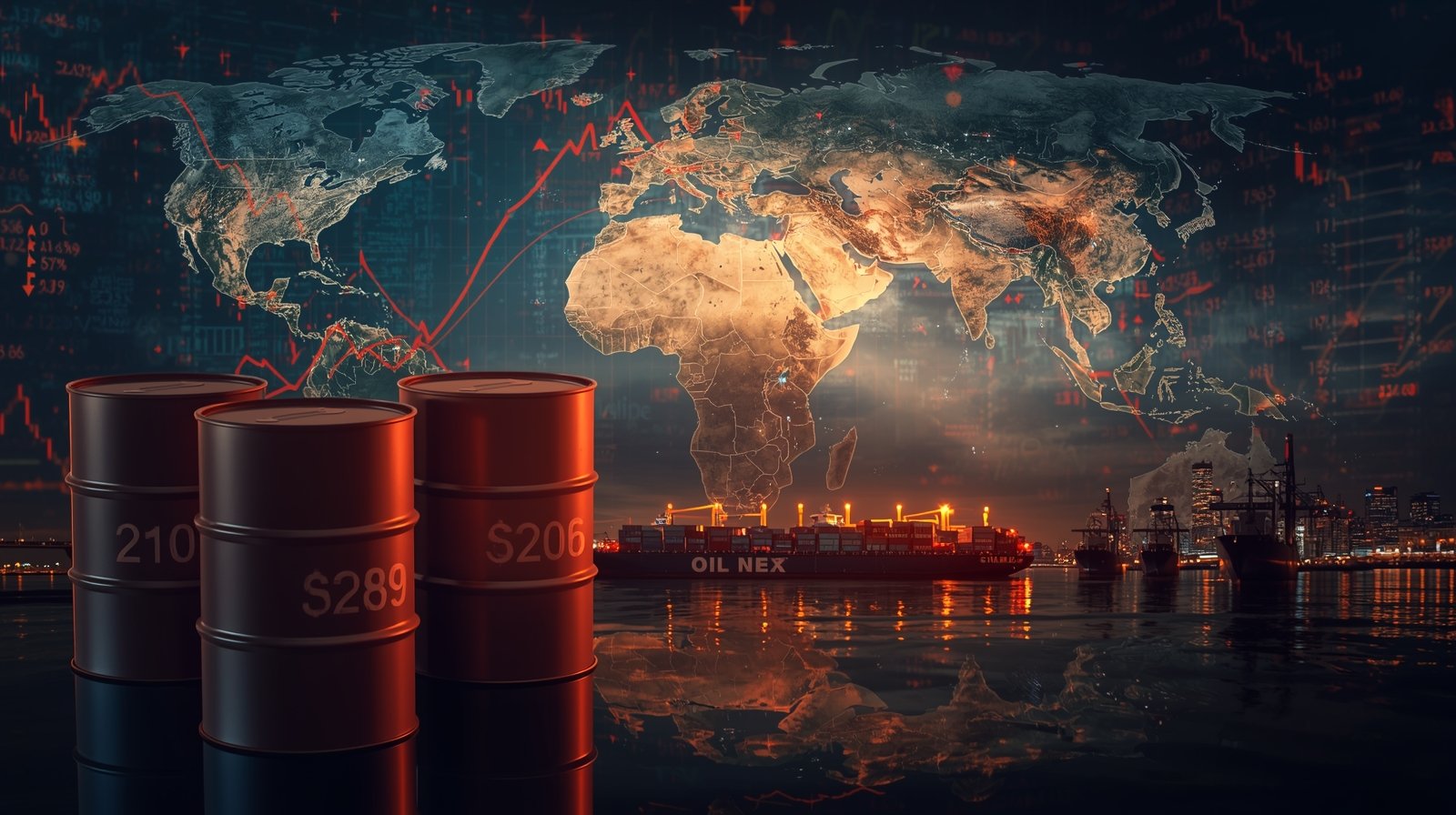
The year 2026 has returned the world to uncertainty levels with the growing tension in the Middle East starting to affect not only the stability of the region but also that of the global economies. A localized geopolitical confrontation that seemed to be the case initially has quickly deteriorated into a scenario with significant international implications.
The increasing instability is now being responded to by energy markets, financial systems, and trade networks. Governments, businesses, as well as individuals are all forced to change as the oil prices are soaring up and the pressure of inflation is felt in various regions.
This paper will give a comprehensive discussion on the current crisis, its underlying factors and its likely long-term consequences, especially to the developing economies like Pakistan.
Understanding the Middle East Conflict
The Middle East is a region of geopolitical significance that has been long because it boasts of enormous energy reserves and trade routes. The situation between Iran, the United States, and other allied countries worsened in 2026, and it is feared that it could lead to a larger regional war.
Among the most significant ones has been the interference of major oil shipping routes, especially the Strait of Hormuz. A large share of the global oil reserves is shipped through this slender channel. Any instability in this area has direct implications on the world energy markets.
The presence of military activity, political uncertainty, and supply chain threats have placed energy security on the agenda once again as a key concern to major economies.
Oil Prices and Market Response.
The oil price increase has been the most apparent and huge effect of the conflict in the near future. The world crude oil prices have reached some major milestones putting strain on the industries that are highly reliant on fuel and transportation.
Oil is not a commodity, it is a driver of economic activity. With an increase in oil prices, the impact is felt in many areas:
- Logistics and supply chains are impacted by the increased cost of transportation.
- The cost of manufacturing is more costly because of increased energy consumption.
- The increase in the costs of operations of the business is normally transferred to the consumer.
This domino effect leads to an increase in the cost of goods and services which are some of the direct causes of inflation.
The financial markets have also reacted in a volatile manner. During geopolitical crises, investors will react very cautiously hence the tendency of stock markets and currency value fluctuation.
Global Economic Impact
The impact of the prevailing situation on the economy is extensive and complicated. Already, several important trends are observed:
Inflationary Pressures
One of the major causes of inflation is the increasing oil prices. The cost of energy is rising, and the cost of basic amenities, including food, transport, and utilities, is also escalating. This puts more strain on the households and decreases purchasing power.
Most central banks are now grappling with the hard decision on the interest rates and monetary policy. It has made it hard to balance between controlling inflation and economic growth.
Slowing Economic Growth
The growth in the economy will slow in most areas as there will be more uncertainty. Companies can postpone investment, and consumers can cut on expenditures because of the increase in prices and economic uncertainty.
Global supply chains which were already stretched in the previous years are again disrupted. This also restricts production and efficiency in trade.
Financial Market Instability
Geopolitical risks are especially sensitive to stock markets. Uncertainty tends to drive investors towards more secure assets resulting in a decline of equity markets.
The currency markets are also touched particularly in the nations with weaker economic fundamentals. Import-dependent economies may face further problems due to exchange rate volatility.
Pakistan’s Economic Outlook
One of the countries that are highly prone to the global energy price volatility is Pakistan because of its dependency on imported oil. The economic stability of the country is faced with a number of challenges brought about by the current crisis.
Rising Inflation
There is a likelihood of inflation with the rising fuel prices. This will directly affect the transportation expenses, electricity rates, and the general cost of living. This translates to increased costs and lack of financial flexibility to average households.
Stress on Foreign Reserves.
An increase in the cost of oil imports puts extra pressure on the foreign exchange reserves of Pakistan. This may result in depreciation of the currency which will increase the prices of imports further contributing to inflation.
Industrial Impact
The local industries, especially those relying on energy, might experience expensive production expenses. This has the potential to decrease competitiveness and influence export performance.
Signs of Resilience
In spite of these, the economy has some areas of strength. The IT industry has been growing, remittances by the expatriate Pakistanis have been growing, and slow recovery in the industries provide some form of stability.
Nonetheless, it will involve cautious economic planning and policy-making to handle the present crisis.
Geo-political Dynamics and Strategy.
The current war is not only about energy but also about more geopolitical processes. The competition of major world powers on the international arena is in full swing and their activities are either directly or indirectly involved and will determine the future course of the crisis.
Diplomacy is being pursued, yet the case is unpredictable. Long term war may result in:
- Prolonged delays in the world energy supply.
- Increased military tensions in the region
- Change in international relations and trade relations.
These advancements can reshape the economic and political relations of the world.
Effects on Everyday Life.
Although most of the debate around this crisis revolves around governments and markets, the impact of this crisis is experienced at an individual level.
Major Consumer Effects:
- Increased fuel prices bring up the costs of transportation.
- The cost of electricity increases as a result of high costs of energy.
- The prices of food increase due to the increased cost of supply chains.
- Economic slowdown might result in uncertain job markets.
In the case of individuals and small businesses, it is necessary to adjust to these changes. The management of the budget, control of costs, and the investigation of alternative sources of income gain more significance.
It is an opportunity in a difficult environment.
Nevertheless, even in times of crisis, it can be a good opportunity, especially in the digital realm.
Growth of Content and Media.
The news content has been found to do exceptionally well during the global events. Web sites can utilize this as a chance to catch high traffic as the interest in search is high.
Production of content of high quality and information حول trending topics can enhance visibility and search positions.
Financial Awareness Content
Demand is rising on content dealing with:
- Personal finance management
- Inflation investment strategies.
- Online earning opportunities
Sites that offer useful, helpful information in these fields will be able to win the trust of audiences in the long run.
SEO and Online Strategy.
The performance of search engines can be enhanced considerably by paying attention to the trending keywords and timely topics. The content that focuses on existing problems in a simple and educative way is more likely to gain a top position in a short period of time.
Future Outlook
The following months will play a crucial role in shaping the future of the world economy. Several factors will influence the outcome:
- The question of whether diplomatic solutions will help to lower tensions.
- Global oil supply chain stability.
- Major economy policy responses.
In case the war subsides, markets can stabilize and the economy can be better. But when the tensions persist, there is a high probability of an extended economic disruption.
Conclusion
The 2026 global economic shock points to the interdependence of the contemporary economies. A localized conflict can easily develop into a global crisis and impact on the energy markets, financial systems and everyday lives.
To a country such as Pakistan, the situation is a big challenge as well as an opportunity. Inflation rate and economic pressure are also major issues, but with planning and flexibility, the effect can be reduced.
This is one of the most important times that digital entrepreneurs and proprietors of websites are to pay attention to the quality and relevant content. The best people to benefit are those who deliver accurate and useful information as the world continues to show a lot of interest in this crisis.
Knowledge is a great asset, especially during uncertain times, and people who share it efficiently can convert the challenges into growth opportunities.
Also Read :Where does Drake live


