





Meta Description
Learn why mental health is important in 2026, what challenges such as stress and anxiety are typical, and what strategies are effective to enhance the level of emotional well-being with the help of lifestyle changes, therapy, and self-care.
Introduction
Mental health turns out to be one of the highest-priority areas of societal health in 2026. With the increase of modernity and the digitization of life, individuals worldwide are becoming more stressed, anxious, depressed, and emotionally burned. Mental health is not a fringe issue anymore, it is as crucial as physical one to living a productive, healthy and fulfilling life.
Over the past few years, there has been a rise in mental health awareness but even today there are many people who continue to suffer silently either because of stigma, unawareness, or simply because of the lack of professional support. The article is a thoroughly researched, comprehensive exploration of mental health, its value, prevalent disorders, and useful interventions to enhance emotional wellness in the modern stressful environment.
What Is Mental Health and Why Does It Matter?
Mental health is a state of emotional, psychological and social well being of a person. It influences the thinking, feeling, behavior, stress coping, social interactions, and the decision making of everyday life. Good mental health helps the people to handle the challenges, work efficiently and even have healthy relationships.
Infertile psyche, on the contrary, may adversely affect:
- Physical health
- Work performance
- Personal relationships
- Decision-making ability
- Overall quality of life
By 2026, mental health can be seen as a source of long-term success and individual development instead of a lack of mental illness.
Widespread Mental Health Strains in 2026.
1. Stress and Burnout
Chronic stress has become very widespread due to the work pressure, financial insecurity, and constant connection with a digital world. The consequences of long-term stress may be burnout, fatigue, sleeping problems, and lowered immunity.
2. Anxiety Disorders
One of the prevalent mental health disorders in the world is anxiety. The symptoms are excessive worry, restlessness, rapid heartbeat and inability to concentrate. Lifestyle and social pressures have enhanced social anxiety and panic disorders.
3. Depression
Depression influences mood, energy levels, motivation, and self-worth. It is not just a transient sadness and may disrupt the normal way of life when it is not addressed.
4. Digital Overload and Social Media Effect.
Too much time on the screen, the culture of comparison, and negativity on the internet are leading to low self-esteem, loneliness, and emotional burnout.
Symptoms that You Should Not Ignore Your Mental Health.
The identification of the early warning signs will help to avoid the problems in the long-term. Common indicators include:
- Constant depression or frustration.
- Loss of interest in the activities.
- Sleep problems or excessive daytimeiness.
- Changes in appetite
- Feeling overwhelmed/ hopeless.
- Difficulty concentrating on assignments or decision-making.
These indicators should be disregarded as they may aggravate mental health issues in the long run.
Best Strategies to Change Mental Health.
1. Mindfulness and Stress Management Practice.
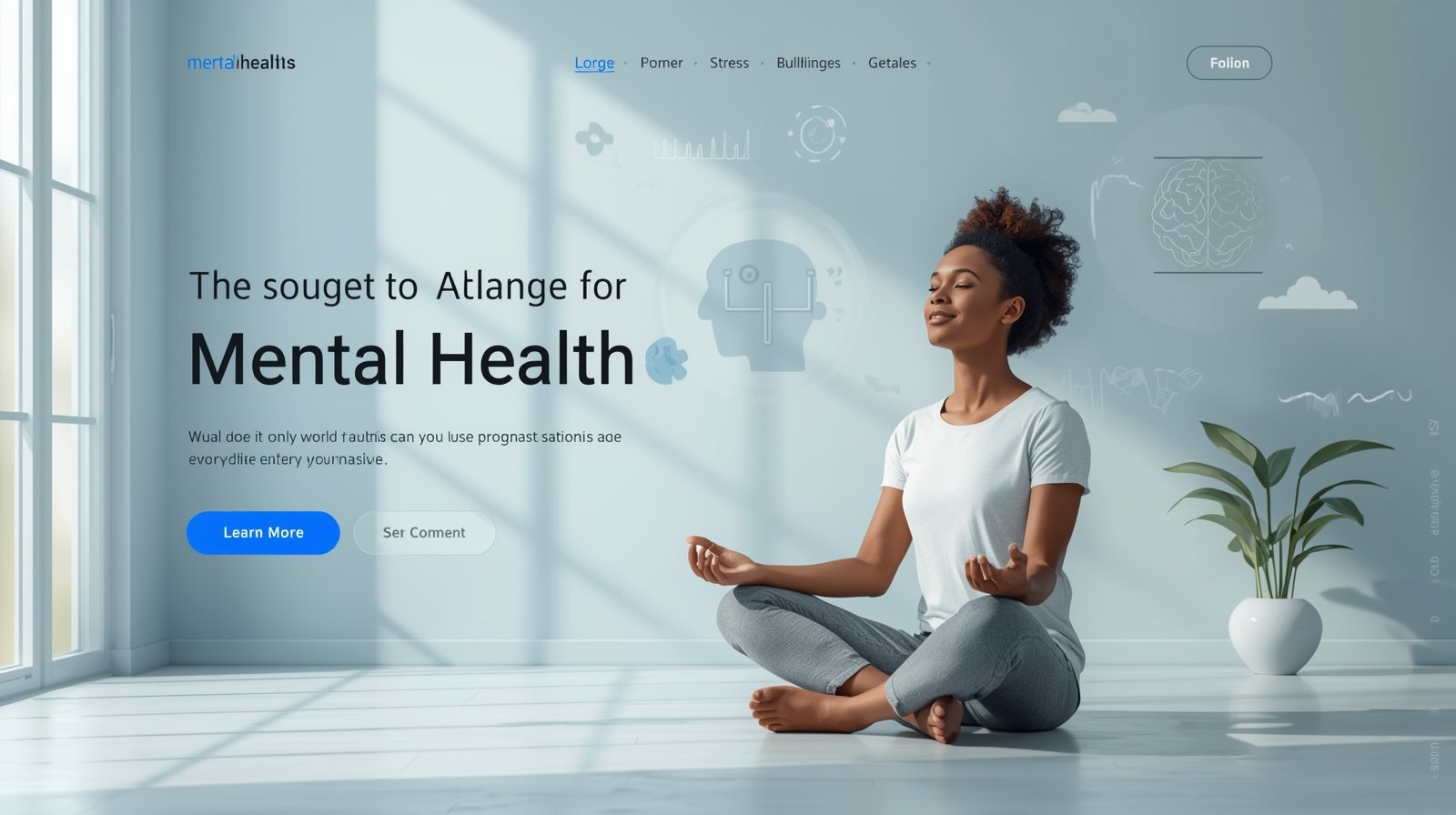
Meditation, deep breathing, and journaling are some of the mindfulness practices that are useful in calming the mind and alleviating anxiety. Even 10-15 min/day may have a tremendous effect of enhancing emotional balance.
2. Lead a healthy lifestyle.
Physical and mental health have strong relationships. Regular physical activity, diet and a good sleep are critical in emotional stability and mood swings.
3. Limit Screen Time
Boundaries between social media and digital devices can help to alleviate mental exhaustion. Breaks on digital platforms allow regaining concentration and emotional clarity.
4. Form solid social networks.
Healthy relationships also bring emotional support and eliminate the sense of loneliness. Association with family, friends, or support systems enhances general mental strength.
5. Seek Professional Support
Therapists, mental health counselors and psychologists offer evidence-based therapy when dealing with anxiety, depression among other illnesses. It is a strength, not weakness to enlist help.
The Therapy and Counseling Importance.
Online platforms and telehealth services have made therapy more accessible in 2026. Stress-oriented counseling, cognitive behavioral therapy (CBT) and talk therapy assist people in the comprehension of their thought patterns and acquisition of coping skills.
Professional support can:
- Enhance emotional control.
- Minimize anxiety and depression symptoms.
- Enhance self-confidence
- Promote long-term mental health.
Mental Health in the Workplace.
The organizations are progressively paying more attention to the mental health of their employees and provide them with:
- Flexible work schedules
- Mental health days
- Counseling services
- Stress management programs
When the workplace is healthy, there is an increase in productivity, less absenteeism, and job satisfaction.
Reducing the stigma on Mental Health.
Notwithstanding the advancement, stigma is also a significant obstacle. Mental health should be normalized and this is only achievable through open discussions, education and awareness campaigns. The seriousness with which mental health is taken is likely to make people seek help at an early stage.
Mental Well-Being and Long-term well-being.
Mental health is not merely illness management but it is creation of emotional strength, self-awareness and balance. Mental well-being should be a priority to help people:
- Negotiate the life issues successfully.
- Healthy relationships.
- Meet individual and career ambitions.
- Live a more meaningful life
Conclusion
The awareness of mental health in 2026 is associated with the development of the realization that emotional health is at the center of a healthy life. Stress, anxiety, and depression are habitual issues, but they can be overcome with appropriate tactics, assistance, and attitude.
Self-care, a balanced lifestyle, professional assistance in case of need, and open dialogue compromise and empower the mental well-being of the person. Mental well-being today is an investment that will result in a healthier, happier, and more productive future.
Also Read :Time to Grow


