


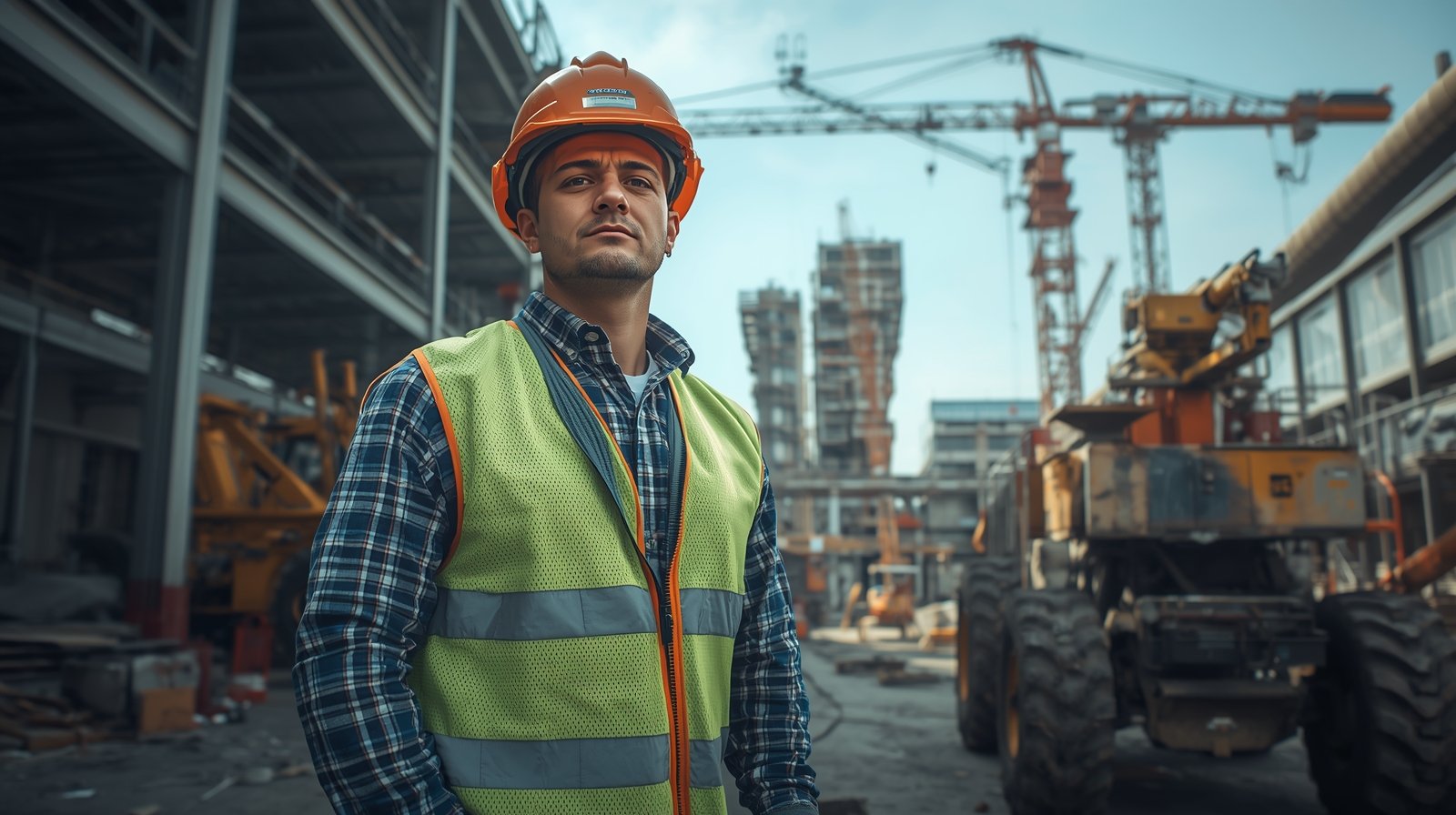
Body piercings have in recent years been embraced as a popular way of self-expression. Piercings are conducted by people as a sign of personality, confidence, cultural affiliation, or personal achievement. Piercings are not commonly questioned in real life. But, once this individual decision breaks into a risky working setting everything becomes quite different. Here the subject of construction piercing turns out of utmost concern.
Construction sites are not the workplaces of ordinary people. They are complicated, rapid-moving working conditions, and safety is a matter of rigorous discipline, consciousness and risk management. Most of the discussions have been made on the helmets, safety boots and machine training yet the body piercings are set aside most of the time. Nevertheless, construction piercing may cause severe risks that numerous employees and employers do not understand until the time when an accident takes place.
Realizing the Construction Work Environment.
Construction is a field that is always exposed to risks. Employees are involved with heavy equipment, sharp materials, working on heights, and physically demanding work over prolonged periods. It is full of dust, debris, chemicals, welding sparks and electrical systems. Even a simple error may lead to serious harm.
Due to such hazards, safety in construction is dependent on the removal of unwarranted risks. Anything that adds to the risk of harm such as loose garments, accessories, or jewelry becomes a safety issue. Body piercing would be considered under this category particularly when they are made up of metal and when they are left open at work.
What Is Construction Piercing?
Construction piercing is not a form of piercing technique. Rather, it explains the existence of body piercings that are put on by people during construction activities. They could be ear studs, nose rings, eyebrow bars, lip piercings, tongue piercings or industrial piercings.
Small as they may be, the contribution of such piercings in a high-risk setting can go a long way. Construction piercing is not an issue due to choice but rather the interaction of such piercings with tools, machines and working conditions.
Physical Injury Risk Construction Piercing.
Entanglement is one of the gravest threats of construction piercing. There may be rotating tools, hanging wires, chains, hooks, and sharp edges, and all of these are moving parts at construction sites. A piercing may easily be entangled in equipment or materials.
When this occurs the outcome may be disastrous. The sharp pulling force may either tear skin, destroy cartilage, or lead to deep cuts that may need an operation. There are instances where piercing-induced injuries have permanent scars or damage to nerves. They are not trivial injuries, as they may result in the inability of a worker to work further in the construction industry.
Job Hazards: Infection and Hygiene.
Construction sites are not healthy places. Almost everywhere there is cement dust, metal particles, oil, chemicals and bacteria. A piercing, particularly a new piercing is little more than a cut. In such conditions, there is a high risk of being infected.
Construction piering infections may result in swelling, excruciating pain, fever and long term health complications. In severe situations, unattended infections may be transferred to the bloodstream causing life threatening situations. What began as a mere piercing may end up being a medical emergency merely because the environment in which the work was performed was unfit.
Metal Piercings and Electric Hazards.
Electricity is another significant hazard that relates to construction piercing. Most construction jobs require one to work close to electricity wiring systems, power tools, and live wires. Metal piercings are a conductor of electricity and that is why they are very dangerous under such circumstances.
A metal pierced worker who happens to come into contact with an electric source may be exposed to a direct conductor of the piercing which can cause electric shock to be worse. This danger is not usually taken seriously and it has led to severe injuries and deaths at workplaces.
Fresh Piercings and Healed Piercings.
New piercing is a source of danger especially on the construction site. They are highly sensitive, easily bleed, and need clean environments in order to heal. The work on construction slows down the healing process and predisposes complications.
Healed piercings are not as dangerous as they might seem. Piercings even when healed may be caught in machines or may cause injury in case of sudden movements. Healing is not a process that eliminates danger; it only mitigates some medical risks.
The Reasons Why Safety Policies Limiting Piercings.
There are numerous construction firms where there are strict policies that do not allow jewelry and piercing during working hours. Workers tend to misunderstand or even resist these rules. Nevertheless, the basis of safety policies is often the historical incidents and accidents studies.
All the safety regulations are present because somebody, somewhere, was either hurt or died. The point of construction piercing limitations is all about prevention and not about control or discrimination. The minimization of risks is the moral and legal duty of employers, which also applies to risks that appear insignificant.
Personal Identity vs. Responsibility at Work.
Piercings to many are not just fashion accessories. They can be cultural, religious or emotional. This poses a delicate scenario within construction situations where construction rules interfere with individual identity.
It is a compromise, not confrontation. Plastic or medical grade silicone piercings can lessen risks. Another feasible alternative is temporary removal during the working hours. Dignity and respect of the workers to the management can assist in ensuring that safety is not at the expense of dignity.
The Unconsciousness of Construction Piercing.
The absence of education is one of the reasons why construction piercing is a problem. Safety training programs usually concentrate on the dangers that can be seen such as falling objects or the use of machines. Personal accessories do not get seriously considered.
In cases where the workers have not been informed about the risks, they will tend to turn a blind eye. This attitude can be altered through awareness campaigns, safety briefings as well as real life examples. Human beings make good decisions when they know the repercussions.
Long-term outcomes of Piercing-related injuries.
Construction piercing may result in long-term injuries. Mobility and strength can be restricted by severe wounds, infections, or nerve damage. Not all workers can completely recuperate which prevents them from making a living.
Other than physical damage, there are financial and emotional damages. Families can also be affected by medical bills, lost wages and psychological stress. These are results that point to the fact that prevention is always superior to treatment.
The Future of Construction and Safety, Self-Expression.
worker well-being and inclusion awareness is on the increase as construction practices are changing. It is possible that in the future, there will be improved self-expression safety measures that will not affect safety. Better materials, safety accessories, and new guidelines would be useful to fill the gap.
So far, responsibility is the determining factor. Employees should be aware of the work conditions around them, and the employers should give explicit and just safety guidelines.
Conclusion
Construction piercing is much more than a matter of individuality. It is a serious safety concern with actual outcomes in a high-risk environment such as a construction site. Physical damage and infections are only a tip of the iceberg as the dangers extend to electrical risks and health issues in the long-term.
When at work one can make a choice between safety and style without sacrificing identity. It is coming to the realities of the job and appreciating the hazards present. Awareness and discipline mean saving lives in construction and no piercing is worth saving an avoidable wound.
Also Read :Floating Helix
